
Choosing the right orthodontic appliance is the foundation of effective treatment and your everyday comfort. But where to start when the range of options is so wide?
This comprehensive guide has been created to dispel your doubts. We will present the orthodontic appliances available on the market, discuss their advantages and disadvantages, and help you understand which factors to consider when making a decision.

Basic classification of orthodontic appliances
Zanim zagłębimy się w szczegóły, warto poznać podstawowy podział. Before we delve into the details, it is worth understanding the basic classification. In the broadest terms, orthodontic appliances are divided into two main categories: fixed and removable. , czyli na aparaty stałe i ruchome. Aparaty stałe, jak sama nazwa wskazuje, są mocowane do zębów na cały okres leczenia, podczas gdy aparaty ruchome pacjent może samodzielnie wyjmować i zakładać.
Fixed appliances — precision and efficacy
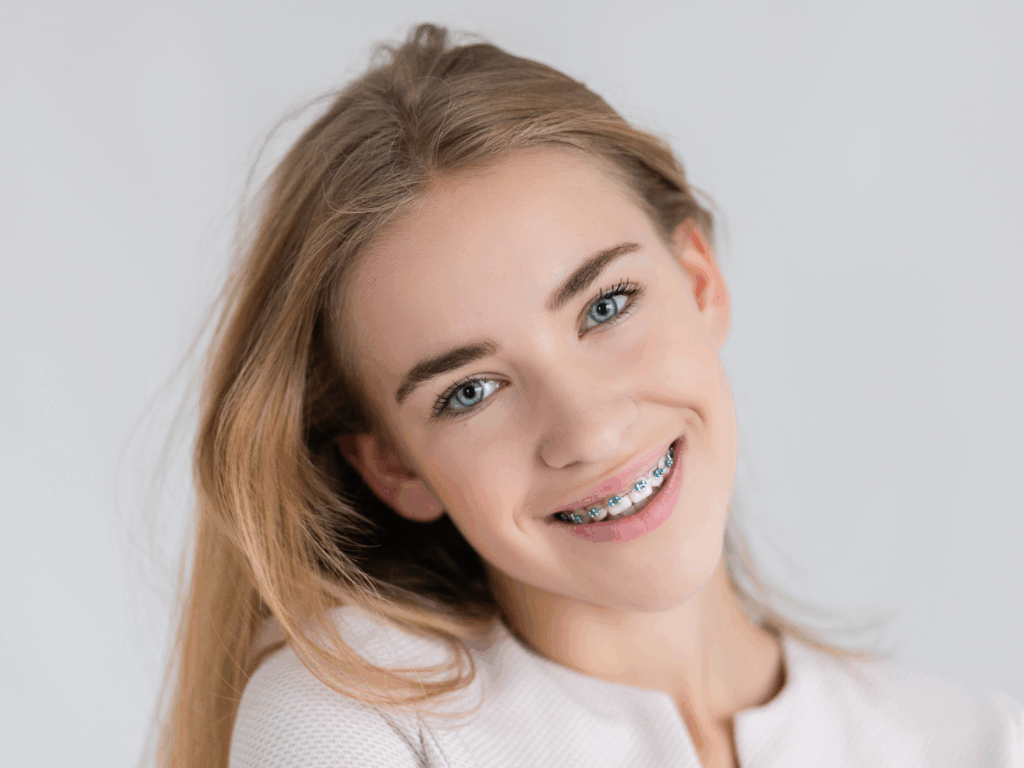
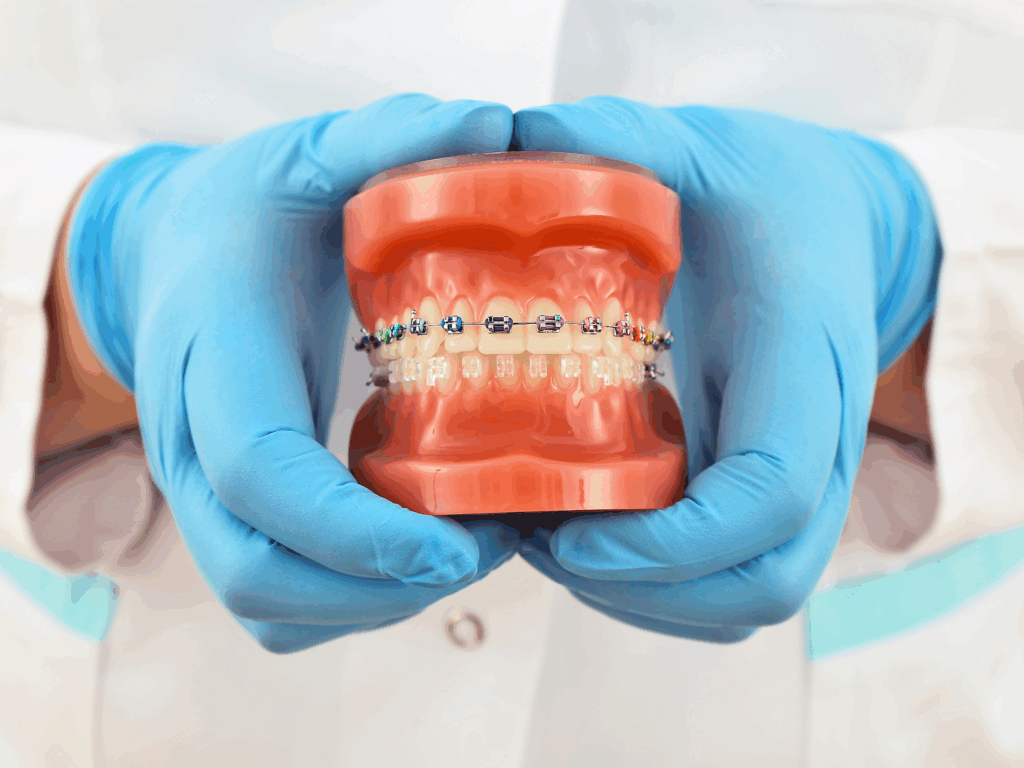
These consist of brackets bonded to the tooth surfaces and an archwire that passes through them, exerting a constant, precisely controlled force that moves the teeth.
Among the types of fixed braces several main variants can be distinguished. The most classic and recognisable are metal braces — the most versatile, effective and typically the most affordable option. które wykonywane są zazwyczaj z wysokiej jakości stali nierdzewnej. Ich główne zalety to wysoka skuteczność, duża wytrzymałość, precyzja działania oraz często najbardziej przystępna cena w porównaniu do innych aparatów.
For patients who value discretion, aesthetic braces have been developed in which the brackets are made from composite, ceramic or crystal materials. They are less conspicuous, although slightly more prone to staining and less resistant to fracture. Zapewniają one znacznie mniejszą widoczność, co zwiększa komfort psychiczny pacjenta, a zamki szafirowe są niemal całkowicie przezroczyste. Mogą być jednak nieco droższe i delikatniejsze od metalowych, a czasem wymagają większej dbałości o higienę, by uniknąć przebarwień ligatur (gumek). Idealnie sprawdzają się u dorosłych i nastolatków, dla których estetyka podczas leczenia jest priorytetem.
Another modern type is the self-ligating appliance. The conventional elastic bands (ligatures) that secure the archwire to the bracket are replaced by special clips built into the bracket. This can reduce friction and the number of follow-up appointments.. Tradycyjne gumki (ligatury) mocujące łuk do zamka zastąpione są w nich specjalnymi klapkami zintegrowanymi z zamkiem. Główne korzyści to mniejsze tarcie między łukiem a zamkiem, co może przyczynić się do skrócenia czasu leczenia i zmniejszenia dyskomfortu. Często pozwalają na rzadsze wizyty kontrolne i są łatwiejsze w utrzymaniu higieny wokół zamków.
Removable appliances — flexibility
Removable appliances are those that the patient can take out, for example for eating or brushing. They are used mainly in children during the mixed-dentition period and in simpler cases.
They are effective in treating certain Class II malocclusions, crossbites, crowding and in maintaining space for erupting permanent teeth.
Modern clear aligners — discretion and comfort
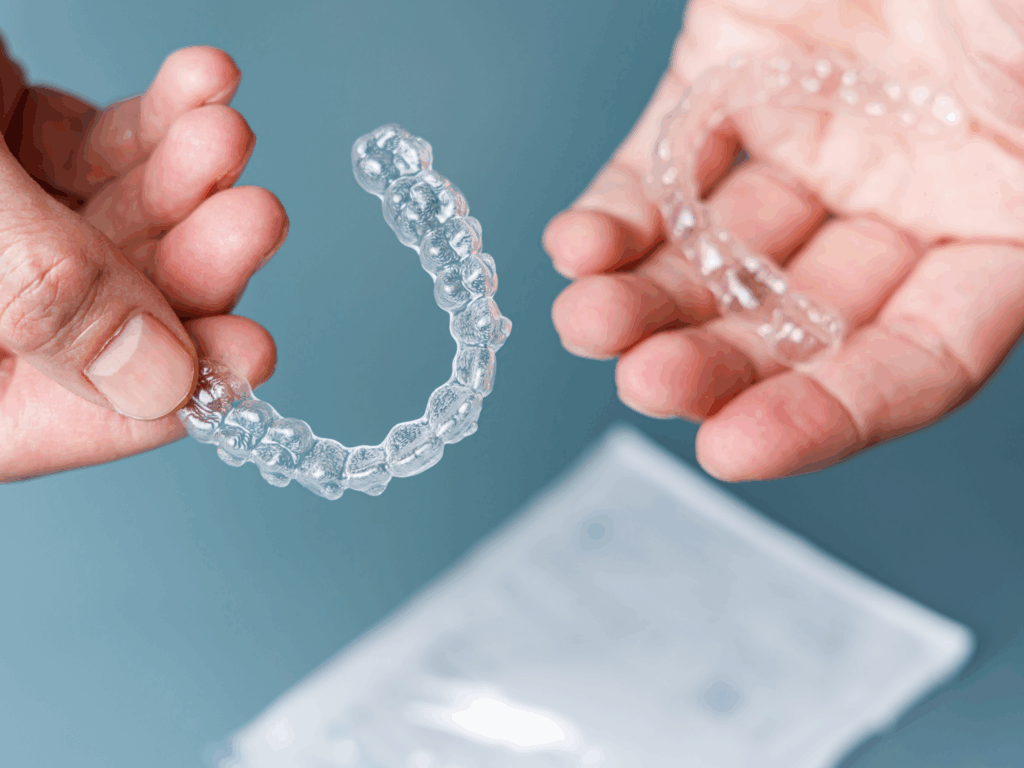
Clear orthodontic aligners, also known as aligners, represent a revolutionary approach to straightening teeth. They are transparent, individually designed trays made of medical-grade plastic that fit snugly over the teeth.
Invisalign and Clear Aligner
A common dilemma for patients considering orthodontic treatment is the choice between systems such as Invisalign or Clear Aligner and traditional fixed braces. The main advantages of aligners are:
- • Discretion — the aligners are virtually invisible.
- • Comfort — the absence of metal elements minimises the risk of mucosal irritation.
- • Hygiene — the aligners are removed for eating, drinking (other than water) and brushing, allowing optimal oral hygiene to be maintained.
- • Predictability — digital treatment planning allows great precision and visualisation of the expected results.
We have described how clear aligners work in detail in our article on Invisalign.
Which orthodontic appliance to choose? Decision criteria
The choice of appliance is an individual matter. Here are the key factors to consider in order to answer the question of which appliance is right for you:
- • Type and complexity of the malocclusion: This is the fundamental criterion, assessed by the orthodontist. Not every appliance is suitable for treating every malocclusion.
- • Patient's age: Different appliances are recommended for children and for adults. The range of appliances available for the youngest patients is described in our article on braces for children.
- • Aesthetic expectations: How important is the discretion of the appliance during treatment?
- • Lifestyle and habits: A job requiring frequent public appearances, participation in contact sports — all of these may be relevant.
- • Discipline and willingness to cooperate: Removable appliances and aligners require considerable self-discipline regarding regular wear.
- • Financial considerations: The cost of orthodontic treatment varies and depends on the type of appliance chosen, the complexity of the malocclusion and the expected duration of treatment.
Consultation with the orthodontist — your first and most important step
Regardless of how much information you gather on your own, the final decision on the choice of appliance is always made together with an experienced orthodontist, on the basis of a thorough examination and diagnostics.
Summary
Choosing an orthodontic appliance is an important decision that affects the comfort and efficacy of the entire treatment process. Different types of braces have their own advantages and limitations.
Have further questions? Want to find out which appliance is right for your particular case? Contact us and book a consultation at Klinika Modern Dental & Orthodontics. umów się na konsultację ortodontyczną w naszej klinice na warszawskiej Woli.