
We all dream of a healthy, radiant smile that boosts confidence. Daily brushing and flossing are the absolute foundation, but even with the best home hygiene, some deposits are beyond the reach of a toothbrush.
Over time, plaque and calculus accumulate on the teeth, which can lead to serious diseases of the gums and the bone surrounding the root. The solution is professional teeth cleaning — a procedure we recommend as one of the pillars of oral health prevention.
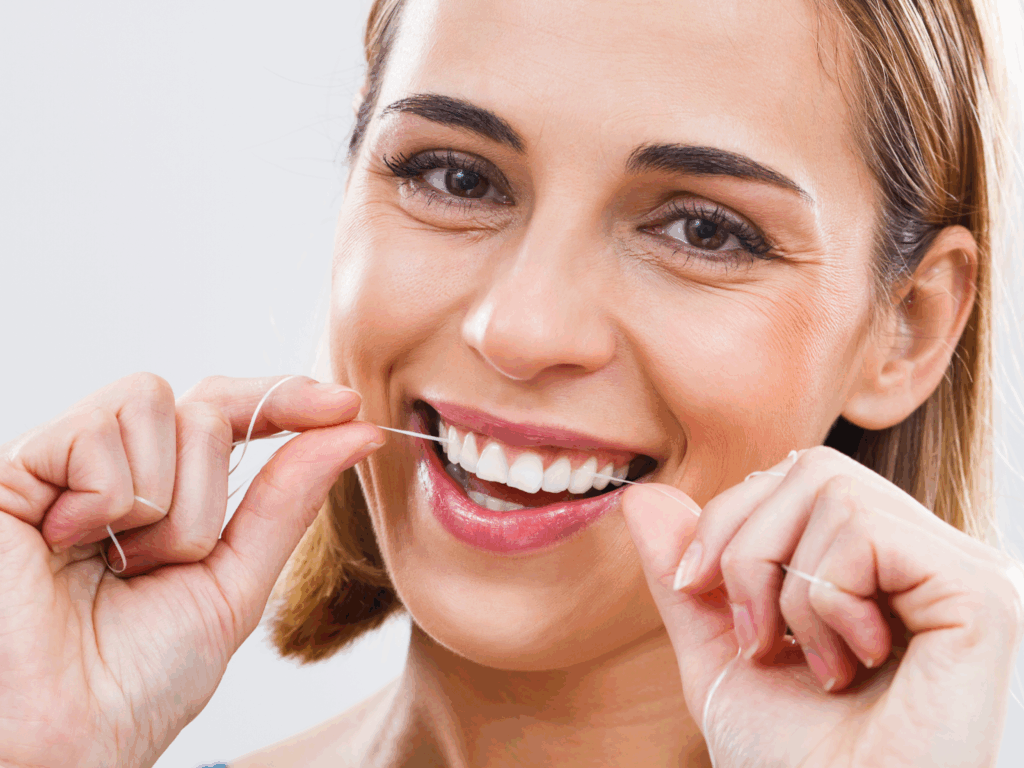
What is professional teeth cleaning and why is it a key element of oral health care?
Put simply, it is a comprehensive, multi-stage procedure carried out in the dental clinic by a qualified dental hygienist. Its aim is the thorough removal of all deposits — supragingival and subgingival calculus, bacterial plaque and surface staining — that are impossible to eliminate at home.
Regularly performed professional cleaning not only improves the aesthetics of the smile but, above all, protects against caries, gingivitis and periodontitis.
Step 1: Scaling — precise calculus removal
The first and fundamental stage is scaling. Scaling is the process of removing dental calculus — mineralised bacterial plaque — using an ultrasonic scaler. The device generates high-frequency vibrations that effectively break up hard deposits without damaging the enamel.
Many patients ask: does scaling hurt? For most people the procedure is entirely comfortable and painless. If, however, the patient has sensitive teeth, the hygienist may apply a topical anaesthetic gel.
Scaling is a key procedure because accumulated calculus provides an ideal environment for the growth of bacteria that can lead to gingivitis and, over time, to periodontitis — a disease that may result in tooth loss.
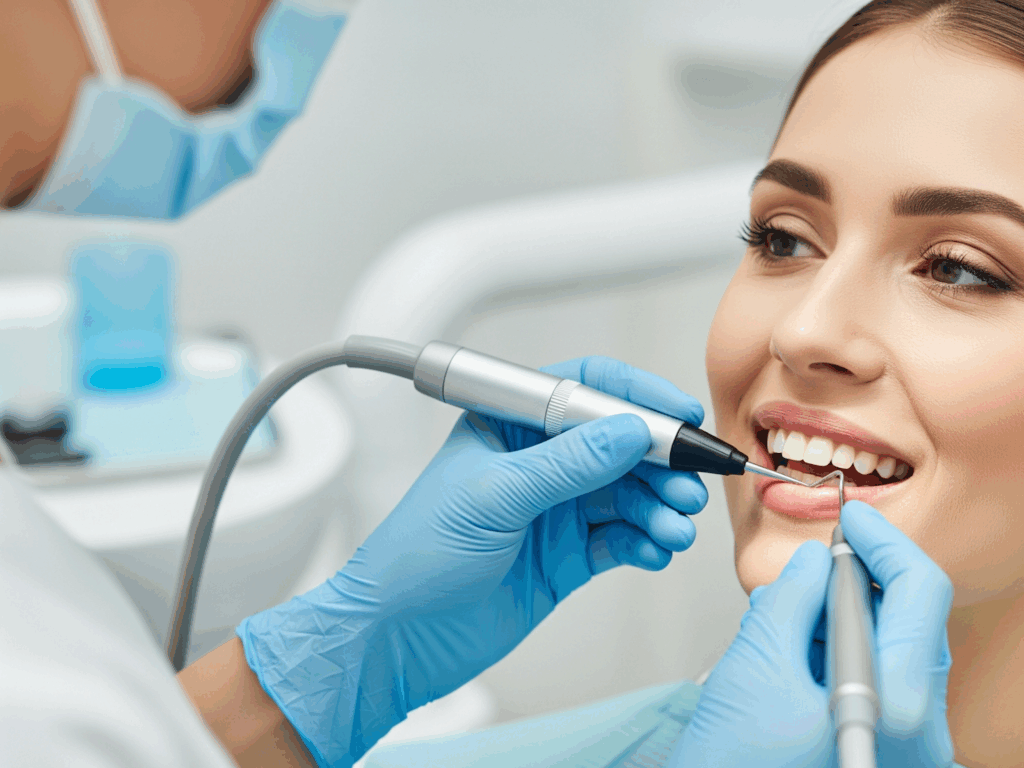
Step 2: Air-polishing — the way to smooth teeth and a natural lustre
After the removal of hard calculus, it is time to eliminate deposits and surface staining — air-polishing. This procedure involves directing a stream of water mixed with specialist powder at the tooth surface. The fine particles effectively remove discolouration from coffee, tea, wine and tobacco.
The air-polishing process usually takes 20 to 30 minutes, depending on the amount of accumulated deposits, and the results are visible immediately — the teeth are smoother, brighter and look cleaner.
Step 3: Polishing — the key to perfect smoothness
After scaling and air-polishing, the tooth surface, although now clean, may be slightly rough. The polishing stage aims to give it a final smooth finish using a special rubber cup and polishing paste.
A perfectly smooth enamel surface makes it significantly harder for bacteria and deposits to re-adhere, allowing the clean, fresh feeling to last longer.
Step 4: Fluoridation — a protective shield for your enamel
The final stage of a full professional cleaning is fluoridation. Fluoridation is a preventive procedure involving the application of a high-concentration fluoride preparation to the cleaned teeth.
Fluoride is an element that incorporates itself into the enamel structure, strengthening it from within. As a result, the teeth become significantly more resistant to the acids produced by cariogenic bacteria.
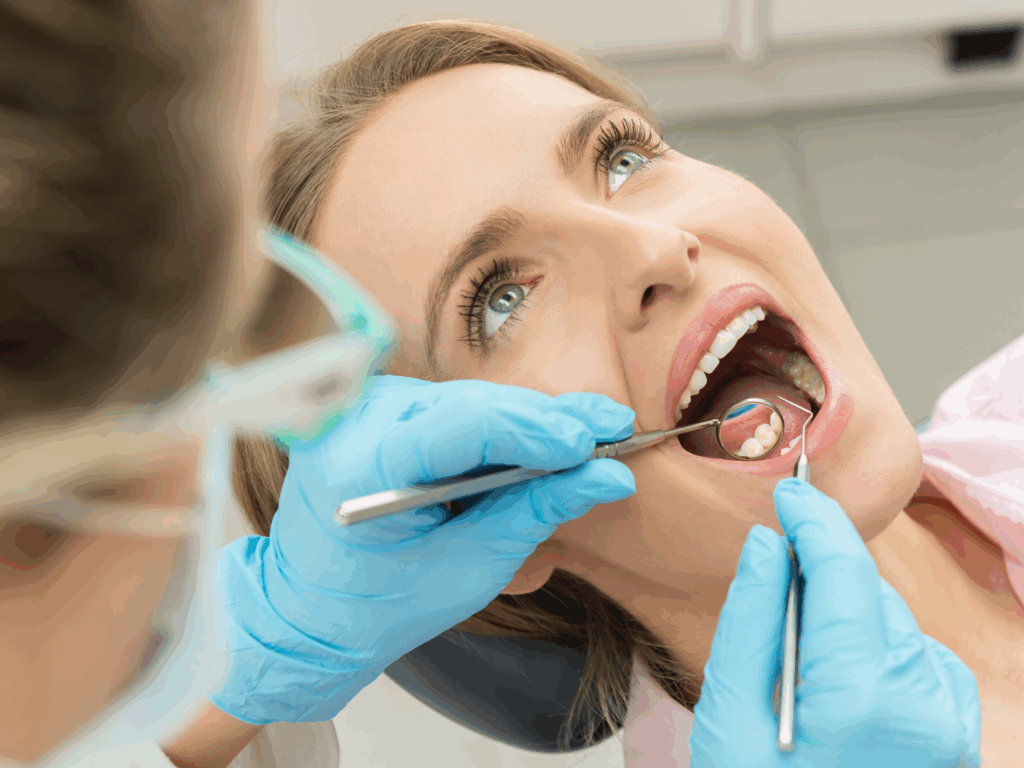
The benefits of professional cleaning at a glance: Why is it worthwhile?
Regular professional teeth cleaning is an investment in the health and appearance of your teeth. Here are the most important benefits:
- Effective prevention of caries and gum disease, including periodontitis.
- Removal of unsightly calculus, deposits and staining, restoring the natural lustre of the smile.
- A lasting feeling of freshness and cleanliness in the mouth.
- Ideal preparation of the teeth for other dental procedures, such as whitening, orthodontic treatment or prosthetics.
Professional teeth cleaning — frequently asked questions (FAQ)
1. How often should professional teeth cleaning be performed? The frequency is an individual matter determined by the clinician or hygienist. The standard recommendation is once every 6 months, but in patients who accumulate deposits quickly the interval may be shortened to once every 3–4 months.
2. Is professional cleaning the same as teeth whitening? No, these are two different procedures. Professional cleaning is a therapeutic and preventive procedure that removes deposits and restores the natural colour of the teeth. Whitening is an aesthetic procedure that lightens the shade of the enamel beyond its natural colour.
3. What are the recommendations after professional cleaning? Immediately after the procedure the teeth are more susceptible to absorbing pigments. For this reason, for approximately 24–48 hours we recommend avoiding intensely coloured foods and drinks (coffee, red wine, curry).
4. Can professional cleaning be performed with braces? Absolutely — in fact it is especially recommended. Braces create many hard-to-reach areas where deposits accumulate, so regular hygiene appointments are an essential part of orthodontic treatment.
5. How long does a full hygiene appointment take? A standard appointment covering all four stages (scaling, air-polishing, polishing and fluoridation) usually lasts 45–60 minutes.

Take the first step towards a healthy smile — book an appointment!
You now know how important professional teeth cleaning is. At our clinic, Modern Dental & Orthodontics, located in Wola, Warsaw, we provide the highest standard of preventive care.