
Does the thought of a dental visit make you anxious? You are not alone. The fear of the dentist is a common problem that affects many adults and children. As a result, many patients avoid the dental chair for years, which unfortunately leads to the development of serious oral conditions.
This paralysing fear of the dentist has a name — dental phobia. In this article we will explain what it is, what its causes are and, most importantly, how to overcome it effectively — step by step.

Dental phobia — when fear becomes a condition
Many people confuse ordinary nervousness with a phobia. Dental phobia, however, is more than just pre-appointment stress. It is a strong, often irrational fear that is a medically recognised anxiety disorder. Patients with dental phobia may experience a rapid heartbeat, cold sweats, nausea or even panic attacks at the mere thought of a visit.
What are the causes of dental phobia?
The problem most commonly stems from:
- Negative experiences in the past, especially from childhood, when dentistry was not as advanced as it is today.
- Fear of pain, which is often unfounded. Modern anaesthesia allows virtually any procedure to be performed completely painlessly.
- A feeling of loss of control in the dental chair.
- Embarrassment about the condition of the teeth and a fear of being judged by the clinical staff.
- Sounds and smells characteristic of the dental setting that trigger negative associations.
Regardless of the cause, it is important to understand that you do not have to face this alone.
How to overcome the fear of the dentist — practical steps before the visit
The key to success is appropriate preparation and a change of mindset. Instead of thinking about how to stop being afraid of the dentist overnight, focus on small, concrete steps:
- Choose the right clinic: Look for a place that emphasises empathy, comfort and an individualised approach in its communication. Read reviews from other patients who were in a similar situation.
- Talk about your fear: When booking the appointment, inform the staff about your concerns. A good dentist will take the time to talk to you, explain every step and agree on a "stop" signal.
- Book an adaptation visit: You do not have to commit to treatment straight away. Come for a consultation, a check-up or a professional hygiene appointment. This type of first visit allows you to get to know the clinic in a stress-free atmosphere.

Modern dentistry in the fight against fear — discover the solutions
Contemporary medicine offers a range of solutions thanks to which dental treatment can be entirely comfortable, even for patients with severe anxiety.
The most popular method of managing stress is inhalation sedation, also known as laughing gas. It is a mixture of nitrous oxide and oxygen, administered through a nasal mask during the procedure. It induces pleasant relaxation and reduces sensitivity to discomfort, while the patient remains fully conscious and able to communicate with the clinician.
In extreme cases of dental phobia or for very complex surgical procedures, dental treatment under general anaesthesia is possible. This option should be discussed individually with the clinician.

Fear of the dentist in children — how to help the youngest patients
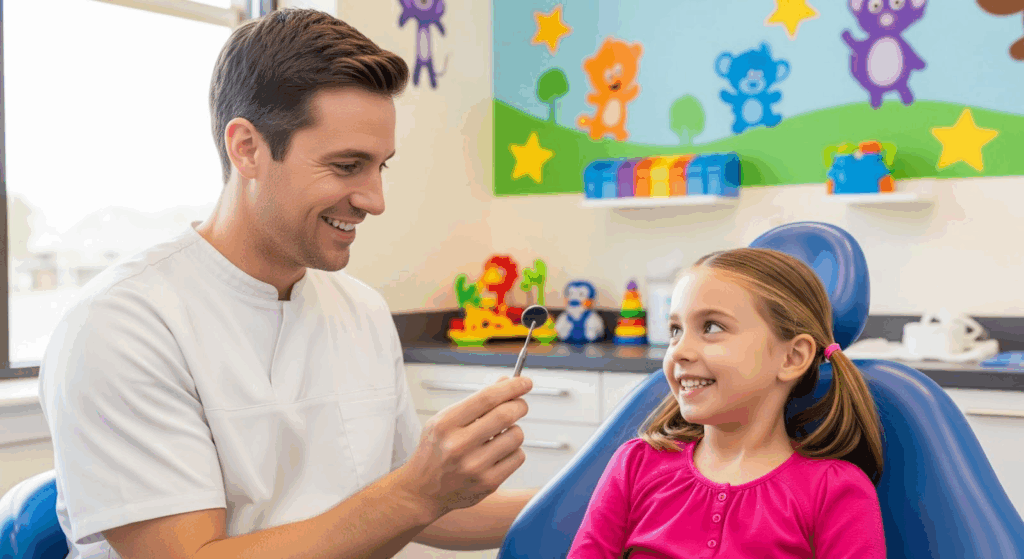
Fear of the dentist in the youngest patients is a common challenge, but the right approach can turn a visit into a positive experience. The key is to start early and build positive associations.
- Start with adaptation visits: Let the child's first contact with the clinic be a fun experience and an opportunity to meet the clinician and the equipment.
- Use positive language: Instead of "drilling" or "pain", talk about "cleaning little teeth with a special toothbrush".
- Be a good role model: Children learn by observation. If they see that you are calm, they feel safer themselves.
These are just the basics to help ease the initial stress. If you want to ensure your child's comfort comprehensively and learn how to prepare step by step for the first dental visit, we recommend our detailed guide: Preparing your child for the first dental visit.
Frequently Asked Questions (FAQ)
1. Is inhalation sedation (laughing gas) safe?
Yes, it is one of the safest calming methods used in dentistry for decades. It is safe for both adults and children. The effect wears off within a few minutes of removing the mask, and the patient can leave the clinic independently.
2. Does local anaesthesia always work?
Modern anaesthetic agents are extremely effective. In rare cases of very acute inflammation, the tissues may be less responsive to the anaesthetic. The clinician then uses additional techniques (such as supplementary anaesthesia) to ensure full comfort.
3. What should I do if I am embarrassed about the condition of my teeth and that is why I fear the visit?
Remember that the clinician and the hygienist are professionals. Their role is to help you, not to judge. They have seen hundreds of different cases and perfectly understand the situation. Nobody will be surprised or critical.
Take the first step towards a healthy smile. Book a consultation at Klinika Modern Dental & Orthodontics in Wola, Warsaw, where our team will take care of your comfort from the very first moment.