
Tooth decay is a problem that affects people of all ages, from an early age. The key to a healthy smile is caries prevention, i.e. taking conscious steps to prevent caries. In this article, we will explain what causes tooth decay, how to prevent it effectively and what steps to take to enjoy a lifetime of healthy teeth.

Causes of caries
The bacteria present in the mouth are primarily responsible for the development of caries. When we consume products rich in sugars (sweets, sweet drinks, but also certain fruit or starchy products), these bacteria metabolise the sugars, producing acids. These acids attack the enamel (the outer protective layer of the tooth), leading to its demineralisation, i.e. loss of minerals.
The main factors favouring the development of caries are the presence of caries-forming bacteria on plaque and the frequent consumption of sugars. Insufficient oral hygiene, which allows bacterial plaque to build up, also significantly increases the risk. Added to this are individual predispositions such as saliva composition, tooth structure or reduced immunity, as well as dry mouth (xerostomia), which reduces the natural cleaning of teeth by saliva.
Key pillars of effective caries prevention
Caries prevention is based on a few basic principles that each of us can implement in our daily lives.
Daily oral hygiene - the foundation of healthy teeth
Regular and proper plaque removal is key to preventing tooth decay.
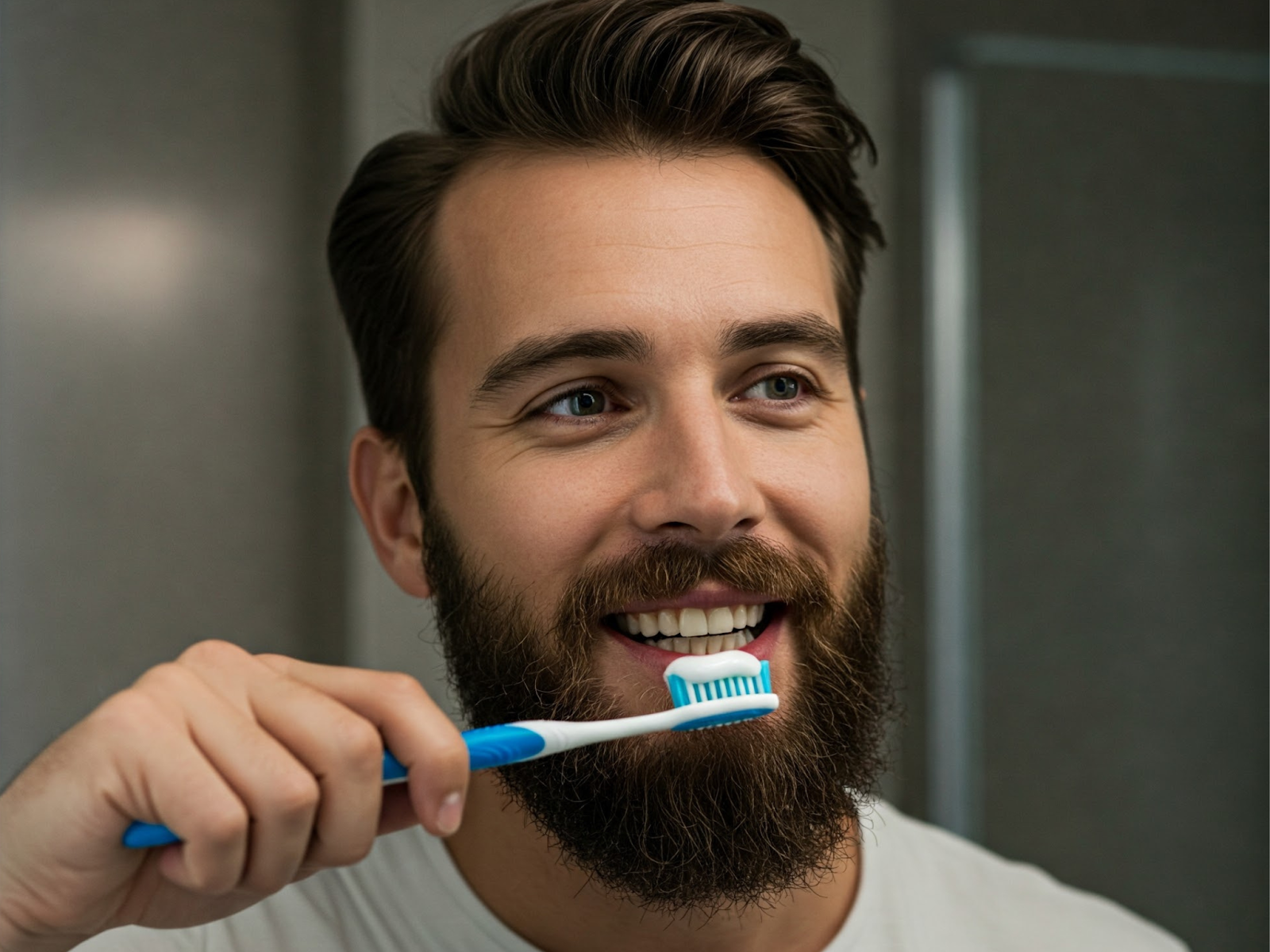
- Tooth brushing: You should brush your teeth at least twice a day (in the morning after breakfast and in the evening before bed) for a minimum of two minutes and use a fluoride toothpaste that strengthens the enamel.
- Flossing: Daily use of dental floss or interdental brushes helps to remove food debris from spaces that cannot be reached by a toothbrush.
- Mouthwashes: They can supplement hygiene, especially those containing fluoride or antibacterial substances, but they are no substitute for brushing and flossing.
Diet and tooth decay - what to eat to protect your teeth?
Our eating habits have a huge impact on dental health. It is important to limit sugar intake, i.e. reducing sweets, sugary drinks and snacks rich in simple sugars. It is also important to look out for „hidden sugar” in processed products.
Avoiding frequent snacking is also key, as frequent eating, especially those rich in carbohydrates, means more frequent acid attacks on the enamel.
Drinking plenty of water helps to flush out food debris and neutralise acids. It is also a good idea to choose tooth-healthy products such as vegetables, fruit and calcium-rich dairy products.

The role of fluoride in caries prevention
Fluoride is an element that plays a key role in caries prevention. It strengthens enamel, making it more resistant to acids, and can also help remineralise small, early carious lesions.
It can be found in toothpastes, some mouthwashes and in preparations used professionally in the dental surgery.
Professional prevention in the dental surgery
Regular visits to the dental surgery are an essential part of maintaining healthy teeth.
Dental hygiene
At our clinic, we offer comprehensive hygiene treatments. These include:
- Scaling: Removal of hard tartar, which harbours bacteria.
- Sandblasting: Removal of deposits and superficial discolouration, restoring smoothness to teeth.
- Polishing: Smoothing the surface of the teeth, making it more difficult for plaque to re-deposit.
- Fluoridation: Application of a preparation with a high concentration of fluoride to strengthen the enamel.
In addition, our specialists will help you choose the right oral hygiene methods and accessories and correct any mistakes during hygiene instruction.
Caries prevention in children - an investment in a healthy smile from an early age
Caries prevention in children is extremely important, as healthy milk teeth are the basis for the proper development of permanent teeth and the entire bite.
It is recommended that the first child's adaptation visit to the dentist takes place around the age of one, or when the first milk teeth appear. From this point onwards, teeth should be cleaned with a special soft toothbrush and toothpaste with the right dose of fluoride for the child's age. Parents play a key role in teaching proper hygiene and healthy eating habits.

At our clinic, we also offer preventive treatments dedicated to children, such as sealing (sealing of cavities in teeth) and fluoridation. Our paediatric dentists create a friendly atmosphere to make visits a positive experience for the little ones.
When prevention is not enough - what to do when tooth decay appears?
Initially, tooth decay may not give any symptoms. Later, there may be white or dark spots on the teeth, hypersensitivity to cold, warm or sweet tastes, and eventually pain.
Depending on the severity, caries treatment may include remineralisation of early lesions, placing a filling (seal) or in more advanced cases, root canal treatment. A visit to the dentist should not be delayed. The earlier tooth decay is detected, the easier it will be to treat.
Summary
Caries prevention is an ongoing process that requires commitment on your part as well as support from professionals. Regular and proper oral hygiene, a healthy diet and regular check-ups and hygienization treatments at the dental surgery are the best investment in your healthy and beautiful smile.
Don't wait until there is a problem! Make an appointment to follow-up visit and professional hygienization at our dental clinic in Warsaw's Wola district.