
Maintenance visits after gum disease treatment: how often and why it varies

Maintenance visits after gum disease treatment are matched to your risk, so the interval is usually not the same for everyone. See what happens at a visit.
Bad breath even after brushing: where it comes from and what helps

Bad breath even after brushing often comes from the tongue or the gums. See when professional cleaning helps and when further tests are needed.
Gum overgrowth from medication: treatment and whether the drug must change

Przerost dziąseł po lekach, np. amlodypinie, leczy się etapami: higiena, rozmowa z lekarzem prowadzącym, czasem zabieg. Leku nie odstawiaj sam.
Periodontal abscess or tooth abscess: telling them apart and treating them

Ropień przyzębny i ropień od zęba wyglądają podobnie, ale leczy się je inaczej. Wyjaśniamy, jak lekarz ustala źródło ropnia na dziąśle i jak go leczy.
Black triangles between teeth: why they form and how to close them

Czarne trójkąty między zębami mogą wynikać z utraty kości, kształtu lub ustawienia zębów. Kiedy wystarczy bonding, a kiedy najpierw trzeba leczyć dziąsła?
Gum treatment before a crown or bridge: reasons, steps and timing
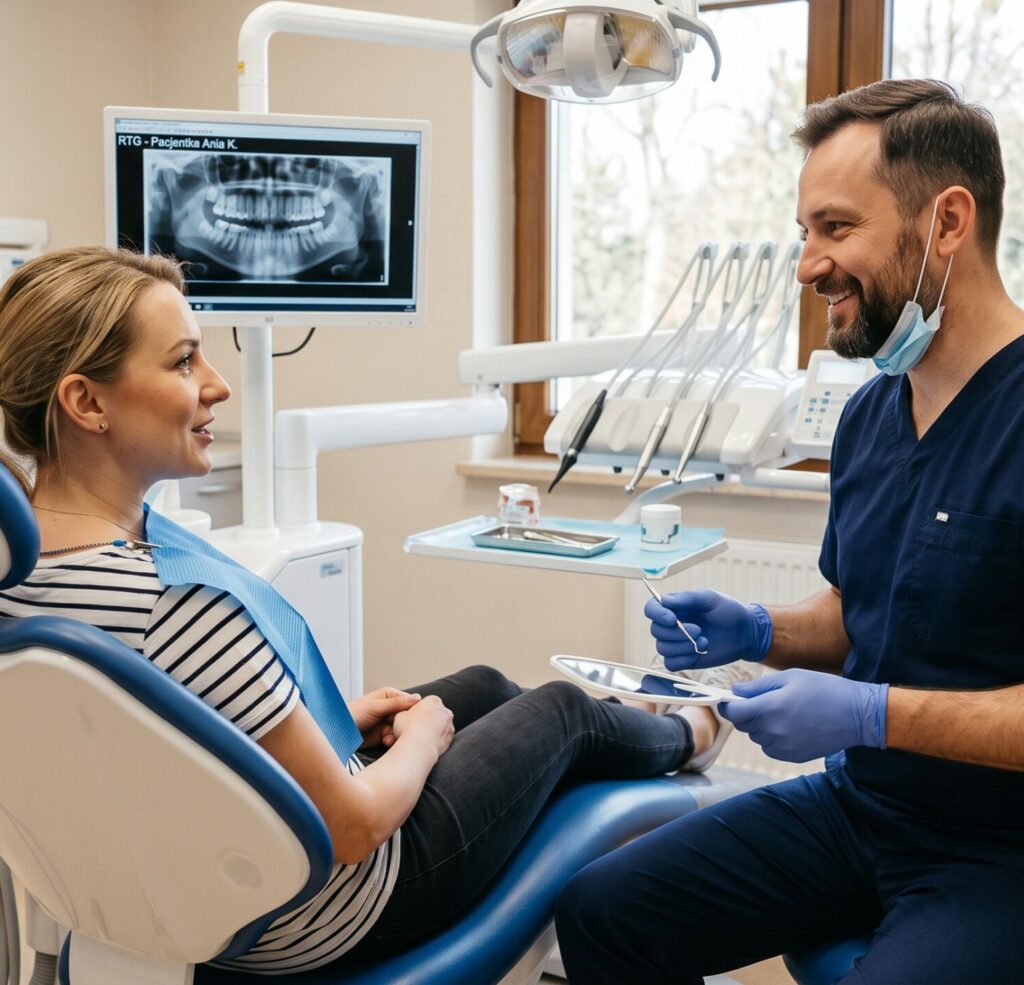
Gum treatment before a crown or bridge: when it is needed, how long each stage takes and how the dentist can tell your gums are ready for the impression.
Loose teeth in adults — when a tooth can still be saved
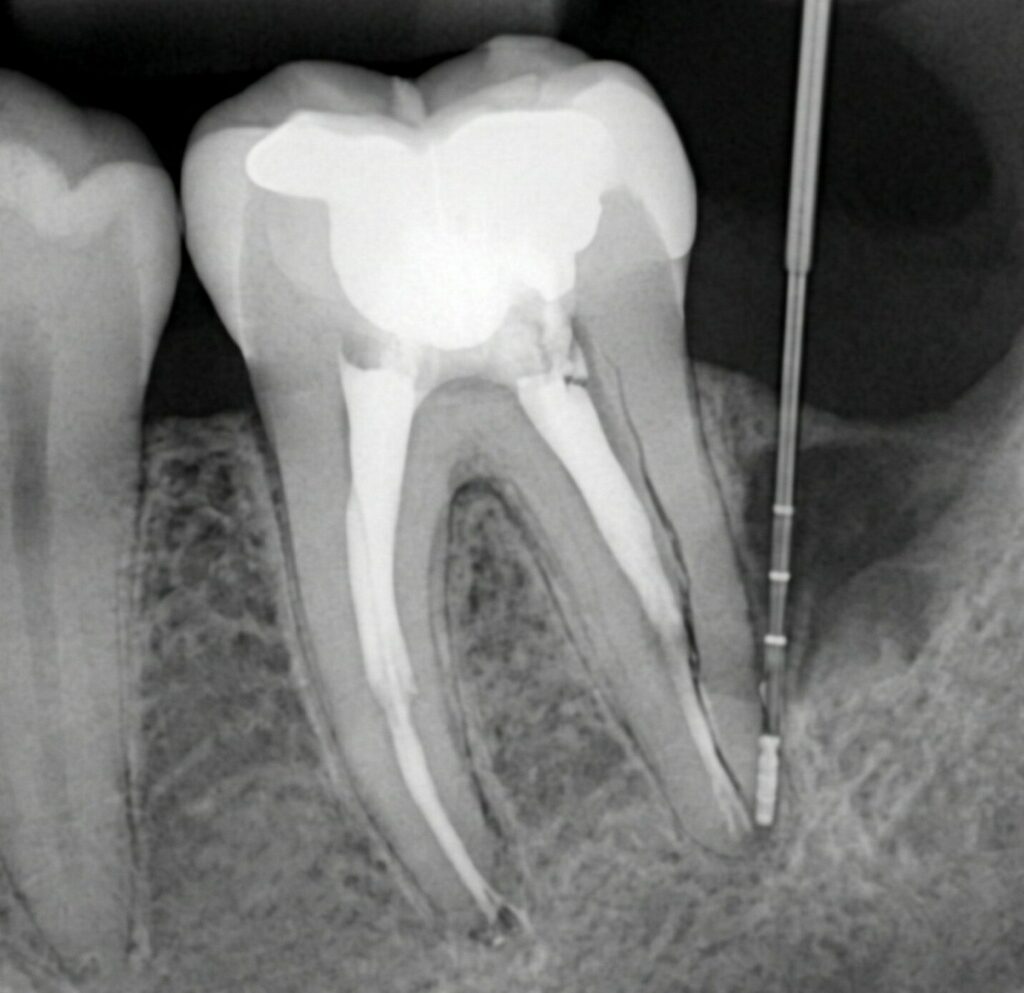
Loose teeth in adults: after periodontal treatment, seven out of ten degree I teeth return to stability. The measurement taken once inflammation settles is what decides.
Exposed tooth necks — recession, wear or erosion
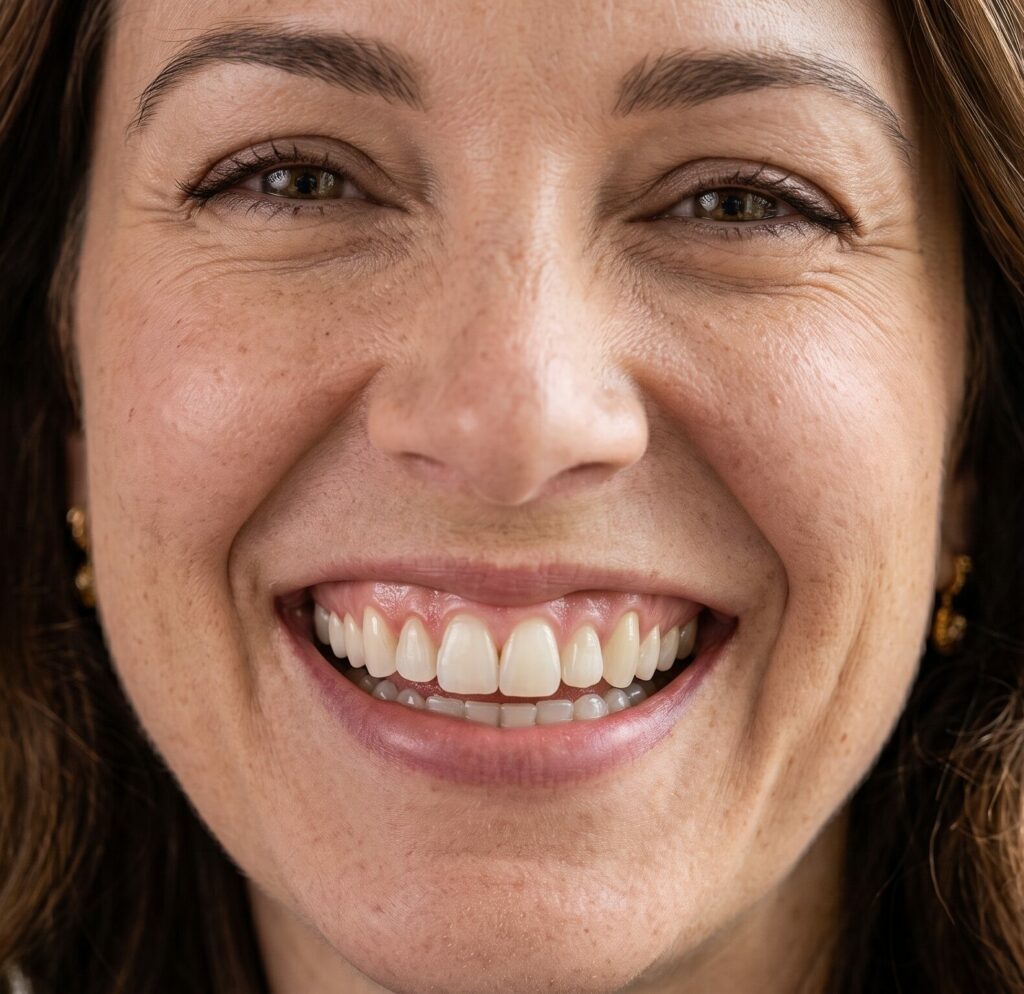
Exposed tooth necks — what a look in the mirror can hint at, and why recognising recession, a cervical lesion or both changes the treatment.
Gummy smile — where it comes from and which pathway corrects it

A gummy smile most often has four causes and four different treatment pathways. Check in the mirror what narrows the cause before you choose a procedure.
Gingival phenotype — thin or thick? Why it matters for treatment
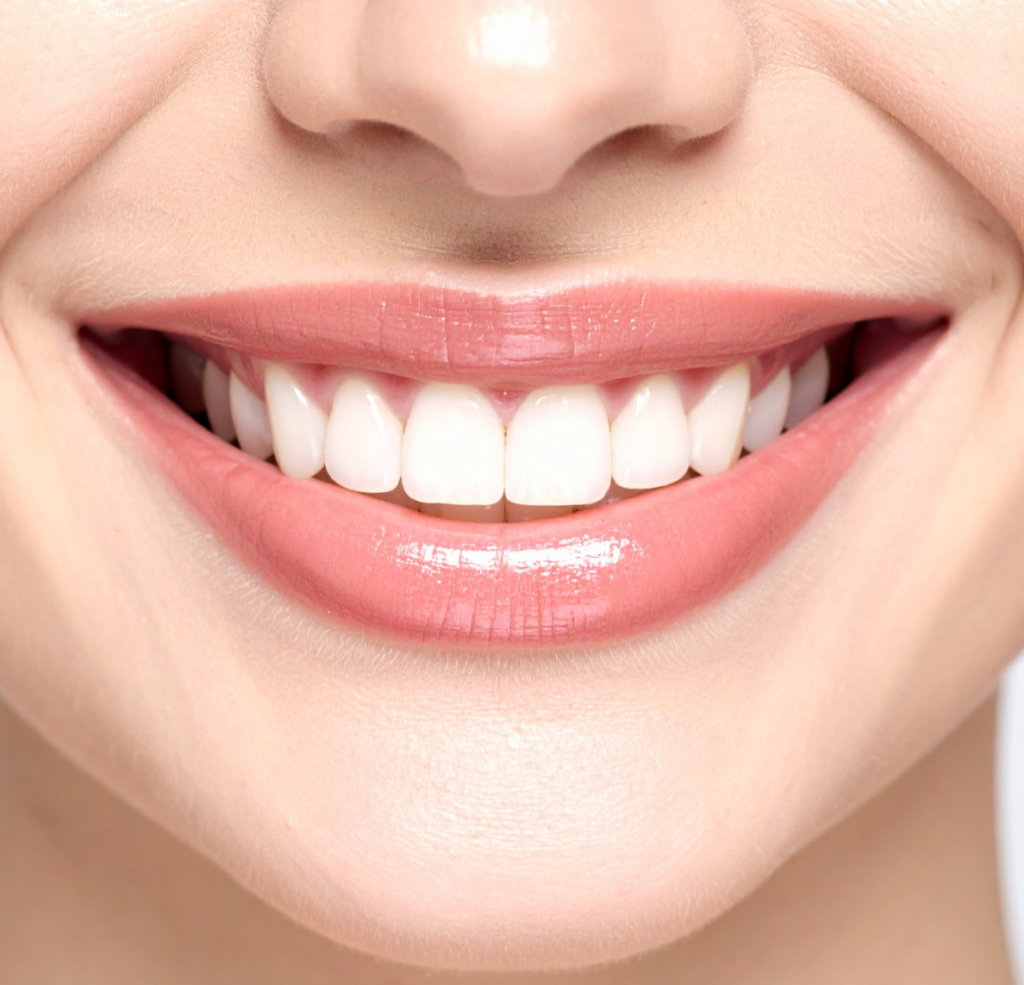
Fenotyp dziąsła (dawniej „biotyp”) odnosi się do grubości i konsystencji tkanek dziąsłowych w okolicy koronowej korzenia.